The Legacy of a Patriot: The Life and Service of Captain (R) Haider Khan Maqpoon

Azam Khan
CEO
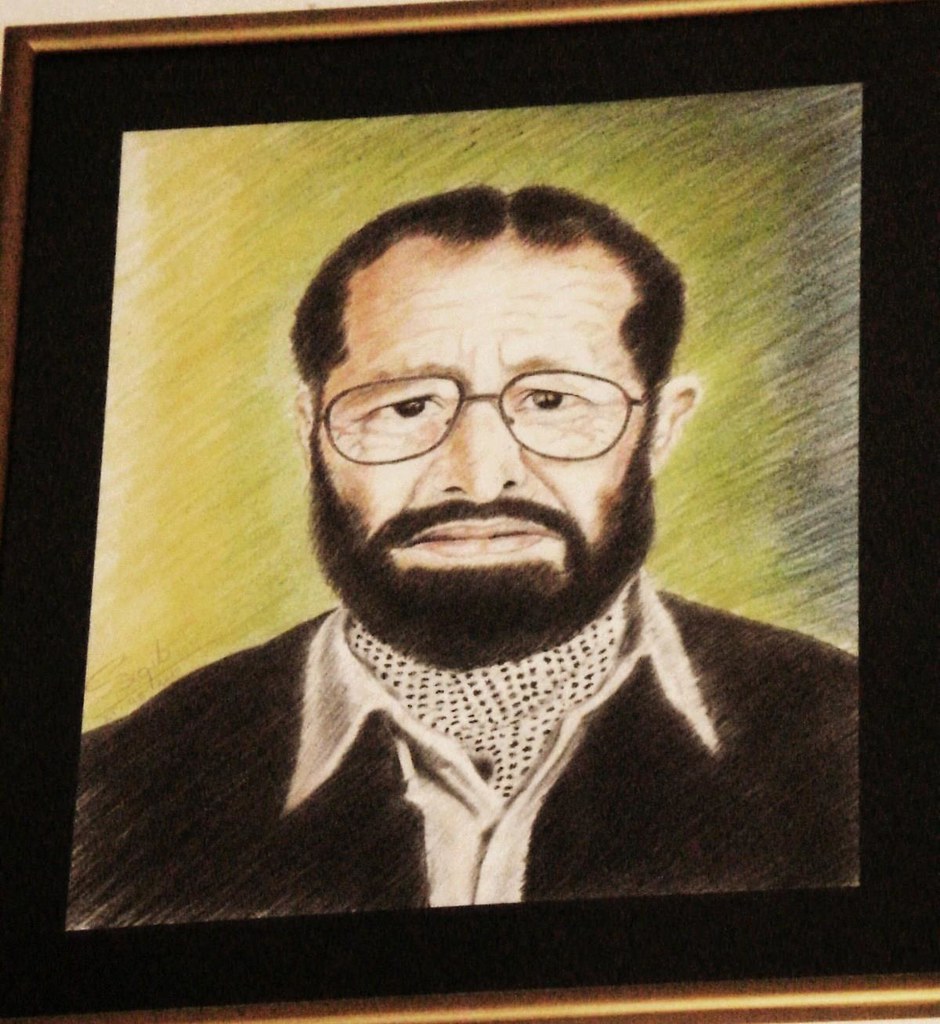
SKARDU – The history of Gilgit-Baltistan’s struggle for identity and its subsequent integration into the administrative fabric of Pakistan cannot be told without mentioning the stalwarts of the Maqpoon family. Among these figures, the late Captain (R) Haider Khan stands as a symbol of dual devotion—first to the sword, and then to the pen.
Early Life and the Call to Arms
Born in 1926 as the eldest of eight siblings into the prestigious Maqpoon family of Skardu, Haider Khan’s life was destined for leadership. After completing his fundamental education in Skardu, he found himself at the crossroads of history during the 1947–1948 War of Independence.
As a young man, he was an active participant in the liberation movement that freed the region from Dogra rule, ensuring Gilgit-Baltistan’s affiliation with the newly formed state of Pakistan.
A Distinguished Military Career
Following the liberation, Khan transitioned into the Pakistan Army, where his discipline and strategic mind saw him rise through the ranks. His commitment to the nation was further tested during the Indo-Pakistani War of 1965, where he served on the front lines. He eventually retired from military service holding the respected rank of Honorary Captain.
From the Frontlines to Public Service
Captain Khan’s retirement from the military was merely the beginning of a second chapter in public service. Transitioning into the civil sector, he joined the Gilgit-Baltistan Police, eventually serving as Deputy Superintendent of Police (DSP).
His administrative acumen led him to several pivotal roles aimed at the development of his home region, including:
Director of Health and Education for Baltistan, where he oversaw the growth of social infrastructure.
Head of the District Armed Services Board in Skardu, providing a bridge between the military and veteran welfare.
Legacy
Captain (R) Haider Khan is remembered not only as a military hero but as a foundational figure in the administrative evolution of Skardu. His life reflects the transition of Gilgit-Baltistan from a site of conflict to a region of organized governance and educational growth.